

Path of Exile 2 for beginners mostly comes down to this: the game is free from December 11, 2026, but it doesn’t explain itself. One huge passive tree for every class, skills inside gems, orbs instead of a blacksmith and an endgame on the Atlas are the biggest hurdles for newcomers. This guide covers the basics in the order you need them in the game, plus the most common mistakes and a comparison for everyone coming from Diablo 4.
How much does Path of Exile 2 cost and where can you play it?
Path of Exile 2 launches as full release 1.0 on December 11, 2026 and is free to play from then on, on PC, PlayStation 5 and Xbox Series. Before that, the game spent about two years in paid Early Access. Grinding Gear Games funds it through cosmetics and convenience such as extra stash tabs. We collected everything new in the full release in our ExileCon 2026 summary.
At launch there are 10 classes, including the new Shadow and Duelist. Templar and Marauder follow later. With Acts 5 and 6, the campaign grows to six acts and is complete.
Which game mode should you pick at the start?
For beginners, the current league is the best choice. A league is a fresh economy that Grinding Gear Games starts roughly every four months: everyone begins with new characters, the economy starts from zero, and every league brings its own mechanic. At full release, the league is Conquerors of Wraeclast.
| Mode | What to expect | Who it’s for |
|---|---|---|
| League | fresh economy with its own mechanic, everyone starts at the same time | most players, beginners included |
| Standard | permanent economy, league characters move there when the league ends | players who want no time pressure |
| Solo Self-Found | no trading and no party, you find everything yourself | players who want to earn everything alone |
| Hardcore | one death ends the character for that league | only once you know the game |
How does the passive tree work?
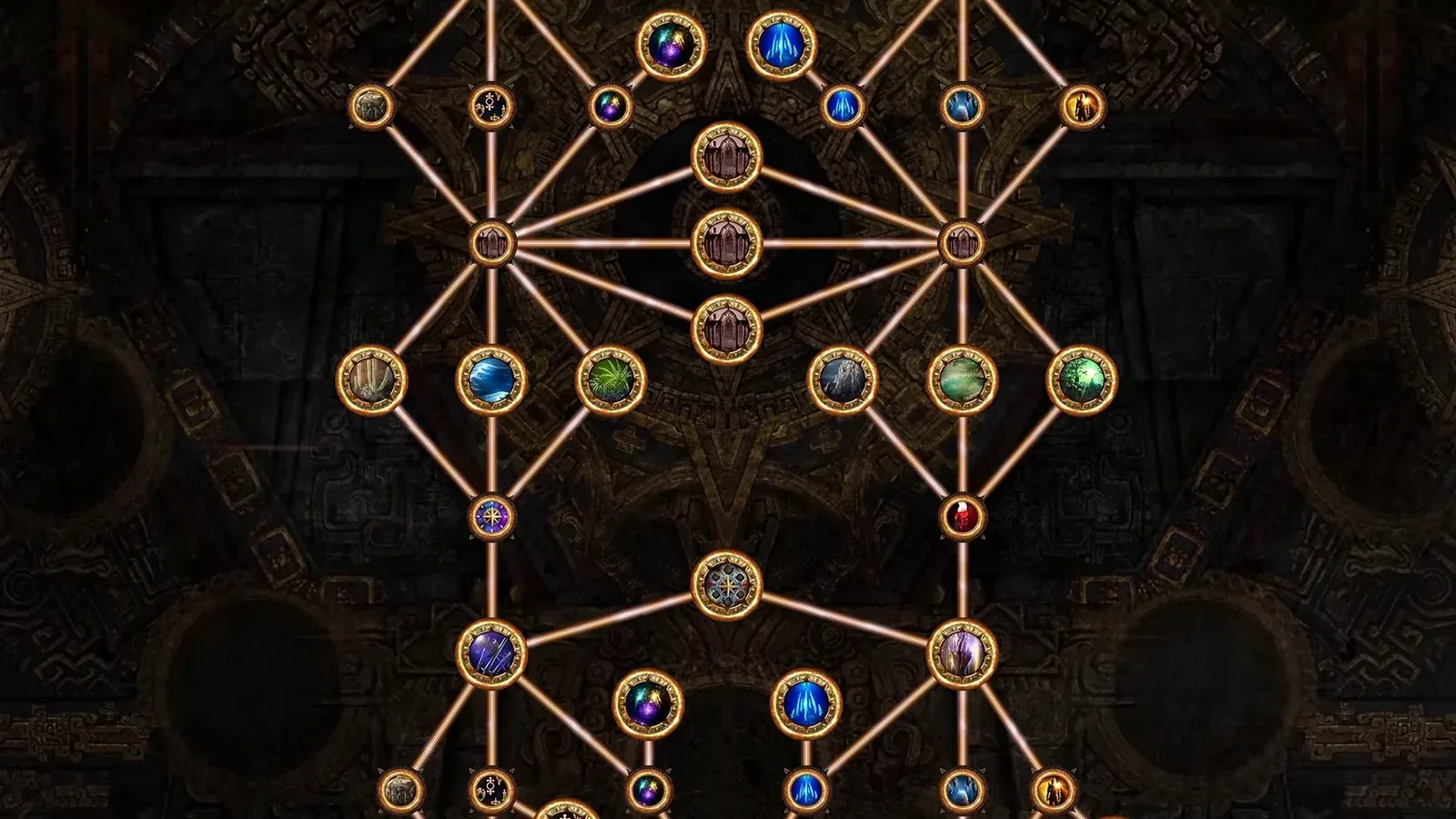
The passive tree is one giant tree shared by every class. It has well over a thousand nodes, and your class only decides where you start. From there, you can move in any direction. The passive tree doesn’t contain skills; it holds stats such as damage, defense and speed, plus big nodes that change your playstyle.
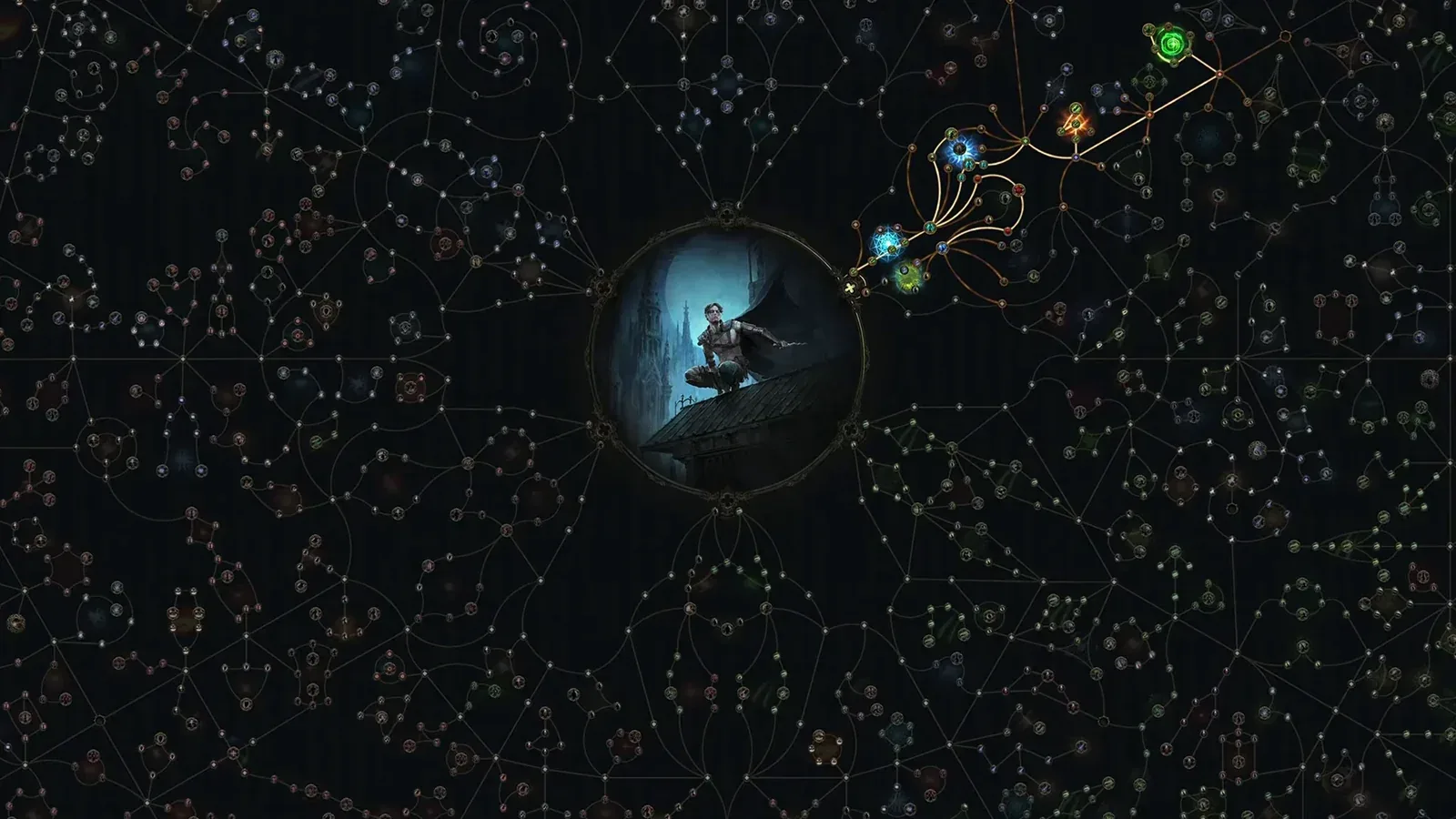
In total you get a little over 120 passive points, one per level and more from quests. Which quests give points is listed in our overview All passive points from quests. So you only ever use a small part of the tree. Respeccing costs gold, and the higher your level, the more expensive it gets.
On top of that comes your Ascendancy, a specialization of your class. You earn up to 8 Ascendancy points in trials such as the Trial of the Sekhemas and the Trial of Chaos. Our Path of Exile 2 Ascendancy guide explains how to unlock it and switch it later.
The tree gets a big rework for the full release, with hundreds of new stats and many more jewel sockets. According to an interview with game director Jonathan Rogers, critical hit chance is also supposed to leave the tree and come mostly from gear. Treat that as preliminary until the patch notes are out.
How do skills and gems work?
Your skills live in gems and aren’t tied to your class. You find an Uncut Skill Gem and pick the skill you want from it. In principle, every class can use every skill as long as weapon and attributes fit. You’ll find all skills in our gem database.
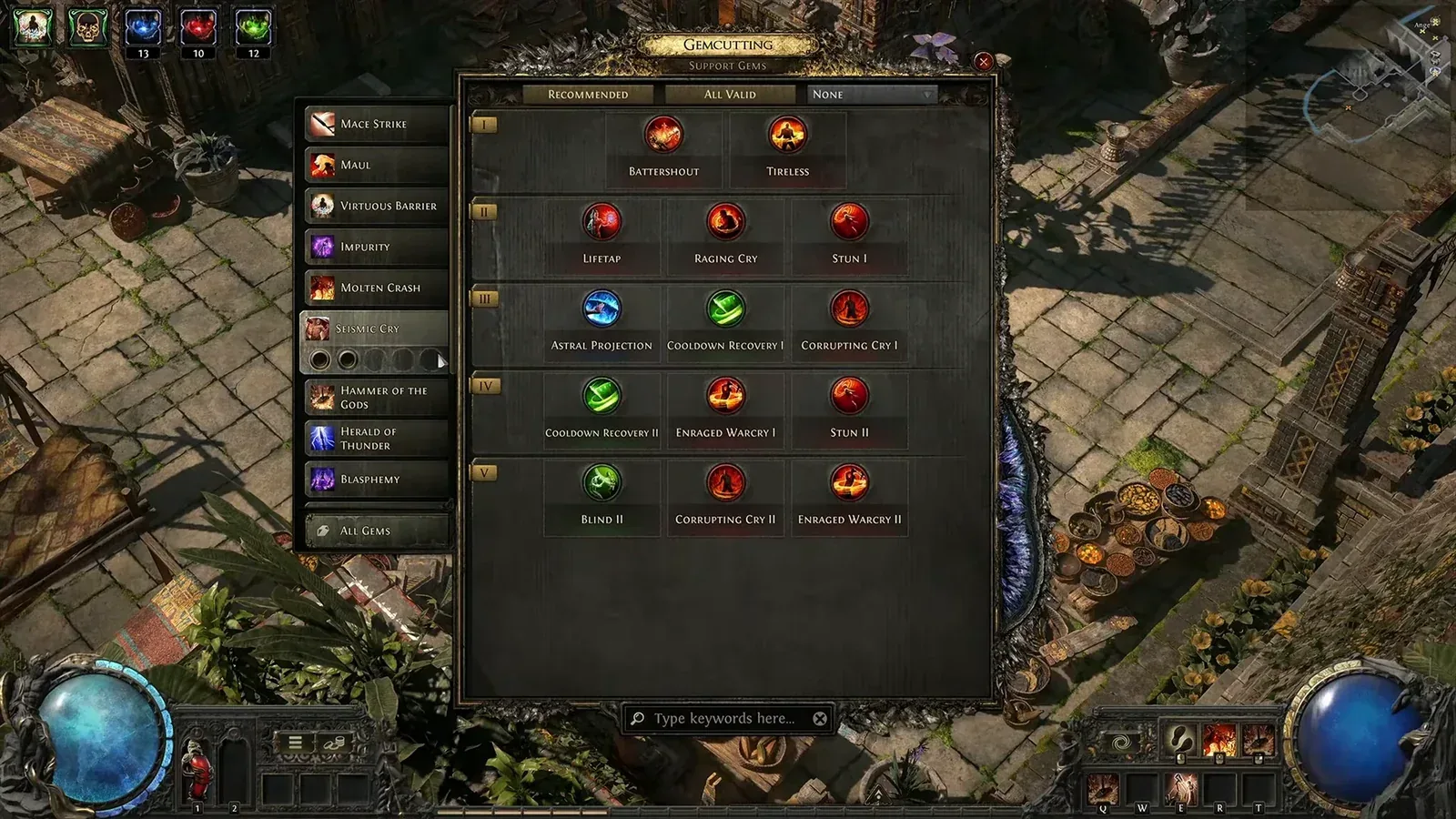
Every skill has sockets for support gems, 2 at first and up to 5 later. Support gems change a skill, for example with more projectiles, chaining or a different element. This is exactly where many beginners used to get lost. For the full release, support gems were reworked, and the in-game recommendations are supposed to be genuinely good now.
How do you get better gear?
In Path of Exile 2, you mostly build better gear with orbs. These are currency items that drop as loot and change items directly. There is no blacksmith with fixed recipes. The three most important orbs for the start:
- Orb of Transmutation: turns a normal item into a magic one.
- Regal Orb: turns a magic item into a rare one.
- Exalted Orb: adds another random modifier to a rare item.
The key word is random: often you don’t get what you need. The same orbs are also the money of trading. So every orb you use could also have been traded for a finished item. You’ll find all currency in our currency overview. Our currency and orbs guide explains how to use orbs step by step.
Gold exists too, mostly for vendors, respeccing and trade fees. Items you find have to be identified with a Scroll of Wisdom before you can see their stats.
How does trading work?
Trading is a core part of Path of Exile 2. On the Currency Exchange, you swap orbs directly for each other. You can buy items from other players even when they’re offline and pay a gold fee for it. Since patch 0.5.0, you can also search the market in game directly with your own item to find similar listings. Our Path of Exile 2 trade guide walks you through every method step by step.
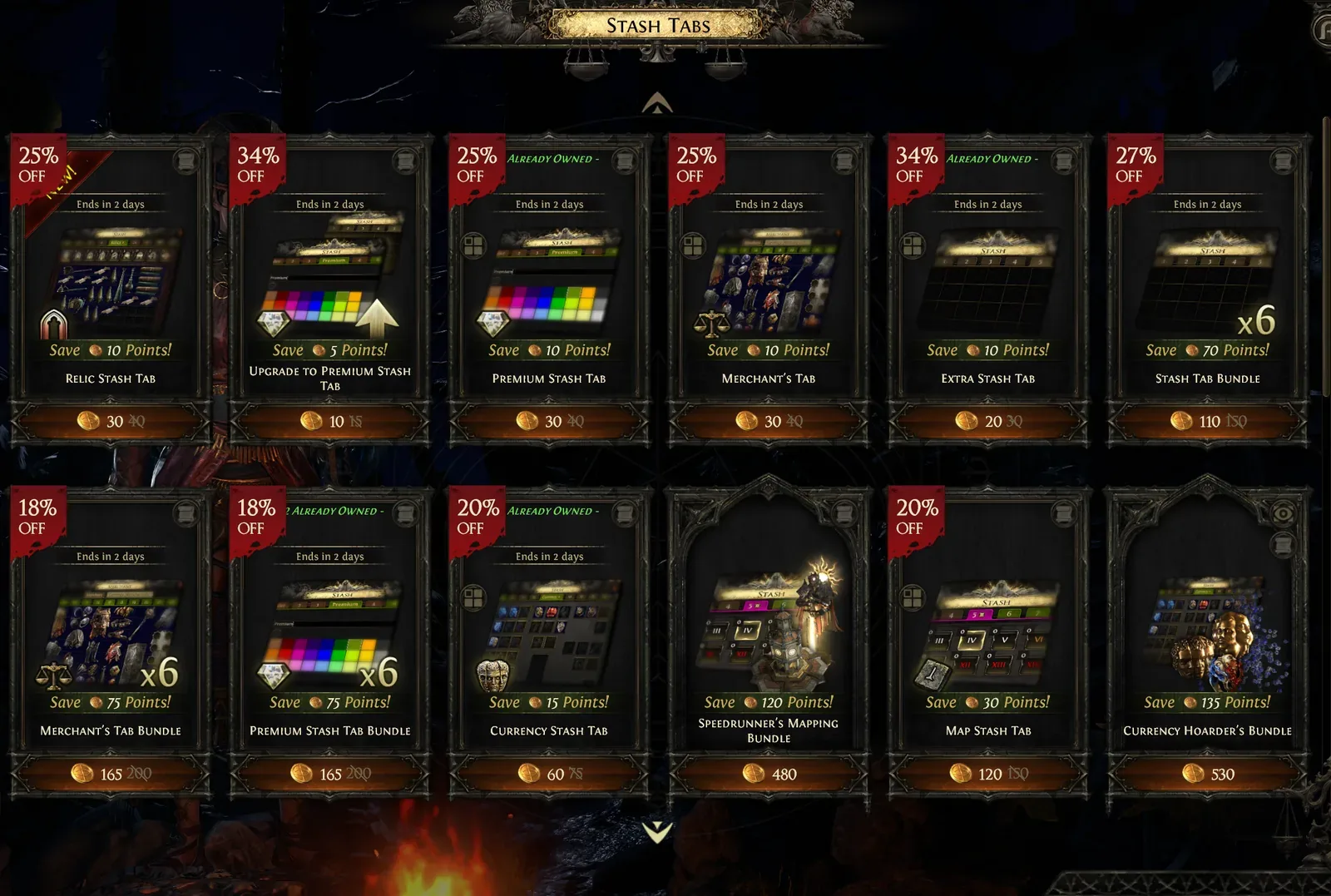
Our Path of Exile 2 stash tabs guide shows which tabs are worth buying. If you don’t want to trade at all, play Solo Self-Found. It just takes longer until your gear comes together.
How hard is Path of Exile 2?
Path of Exile 2 is much harder than most action RPGs, especially in boss fights. Bosses have set attack patterns and often several phases, and you’ll beat some of them only after several attempts. Every character has a dodge roll with no cooldown and no cost. It protects you from many attacks, but not all of them: you really have to get out of the way of big area attacks.
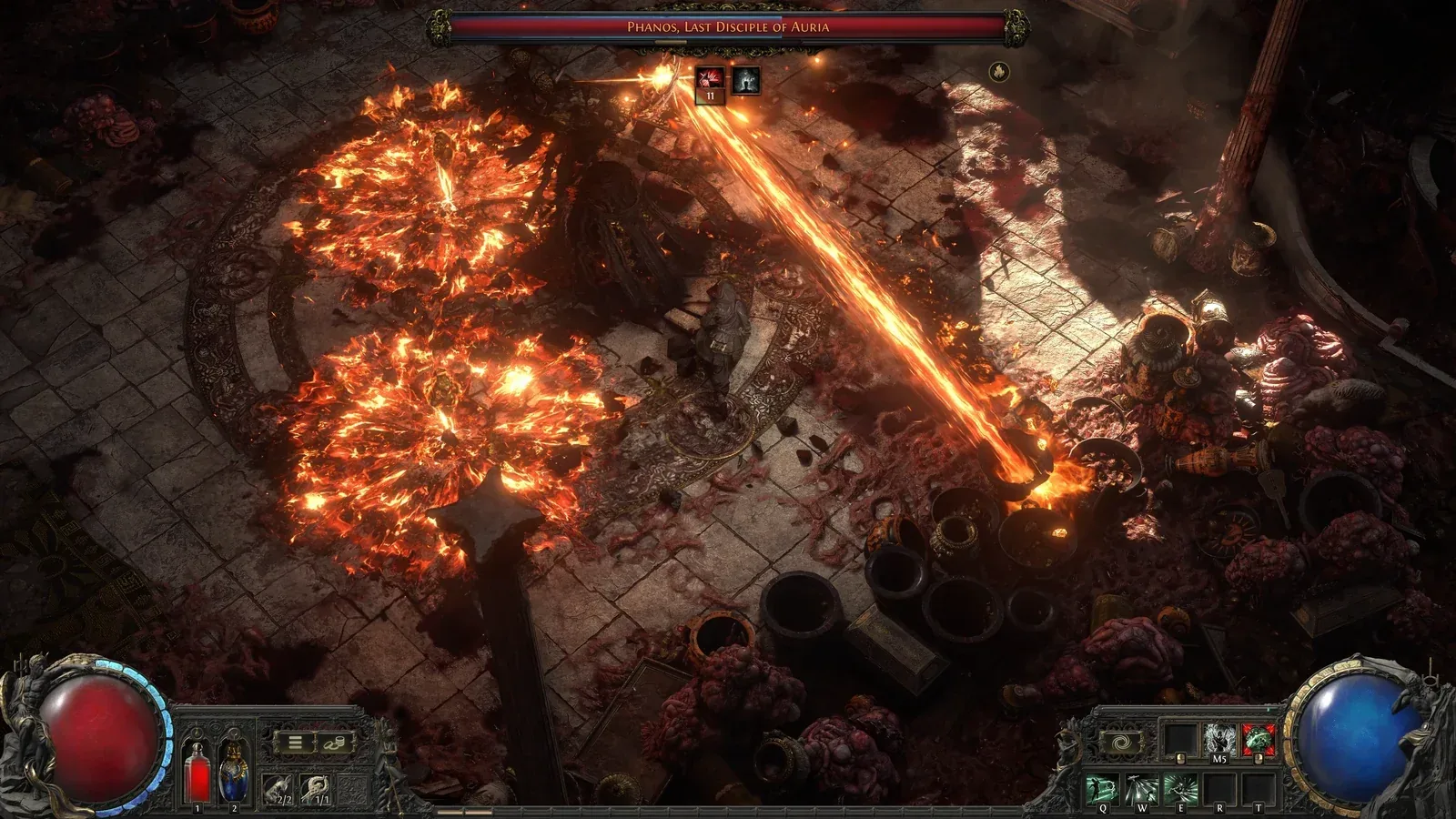
What happens when you die depends on where you are:
| Where | Consequence of dying |
|---|---|
| Campaign | no penalty, the fight or area simply restarts |
| Endgame | you lose 10% experience but never a level; each map only allows a limited number of attempts |
| Hardcore | the character is lost for that league |
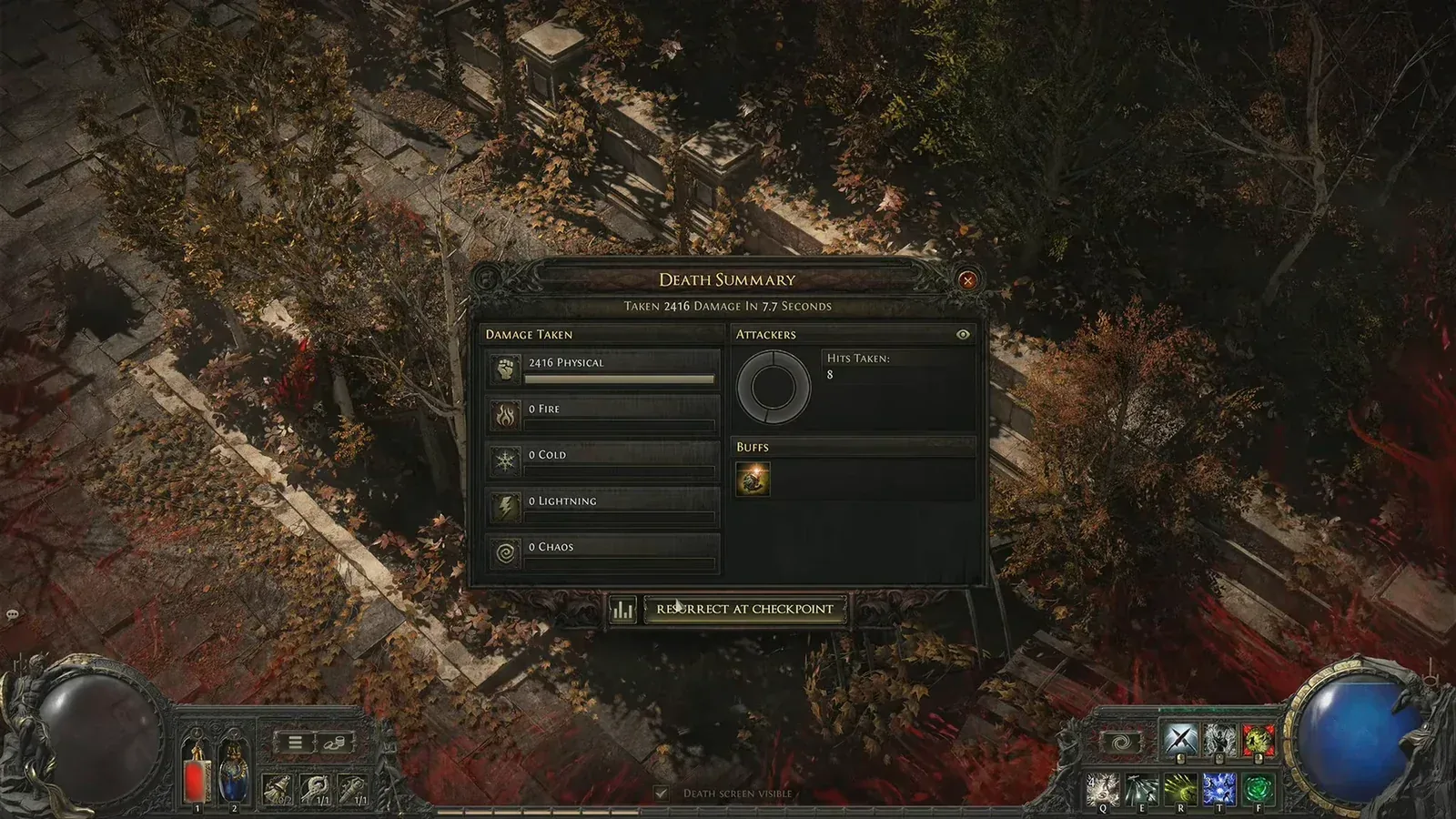
According to the developers, the full release adds a death summary that shows what killed you. Charms help as well: they trigger on their own, for example when you’re frozen. So far you can carry up to 3, and according to the developers it’s supposed to be up to 6 in the full release.
Keep an eye on your resistances too. They come with a penalty that grows during the campaign and sits at −60% in the endgame. Going into the endgame with low resistances gets you killed fast.
How long is the campaign and what comes after?
The campaign takes a long time on your first run: press estimates put it at 25 to 40 hours, and that was with four acts. Acts 5 and 6 add more. You can’t skip it; every new character plays it, in every new league too. For an overview of every act, see our Path of Exile 2 campaign page.
After that, the endgame on the Atlas begins, a huge map with many areas. You open each area with a Waystone. Waystones range from tier 1 to 16, which means area level 65 to 80, and carry their own modifiers that make an area harder and more rewarding. On the maps you’ll also find content from earlier leagues such as Breach or Delirium, each with its own bosses.
The Atlas has its own tree, the Atlas tree. For the full release, it becomes much leaner: instead of many small nodes there are only about 70, each with more impact. Endgame quests are also supposed to unlock more slowly at first, so new players aren’t overwhelmed.
Which class is good for beginners?
For beginners, I recommend two classes that already exist in Early Access. The Ranger fights with a bow and keeps her distance from enemies. That forgives a lot of mistakes, especially against bosses. The Witch with minions lets her minions fight up front while you stand behind them and support.
Shadow and Duelist are new, and nobody has played them in the full release yet. If you want to play it safe, start with a proven class. Since skills live in gems, your class doesn’t lock you in, though. You can rebuild a lot later. For all classes and Ascendancies at a glance, see our Path of Exile 2 classes guide.
Coming from Diablo 4? Here’s what’s different
Diablo 4 players know the basic loop but have to rethink a few things. The table shows the most important differences:
| Topic | Diablo 4 | Path of Exile 2 |
|---|---|---|
| Skills | tied to your class | in gems, every class can use every skill |
| Stats after leveling | Paragon | one shared passive tree for all classes |
| Improving gear | Tempering and Masterworking at the blacksmith | orbs with random results |
| Trading | plays a small role | core system with the Currency Exchange |
| Campaign | once per account | with every new character |
| Endgame | activities with War Plans | Atlas with Waystones |
| Fresh start | Seasons | leagues, roughly every 4 months |
| Loot filter | configurable in the game | load a ready-made filter (file on PC, via the website on console) |
If you like playing a bow Rogue in Diablo 4, you’ll feel at home with the Ranger quickly. For Necromancer players, the minion Witch is the easiest switch.
What mistakes do beginners often make?
Most early mistakes come down to planning. Avoid these five:
- Allocating without a plan: the passive tree lets you make mistakes, and respeccing gets more expensive. Follow a build at first, for example from our Path of Exile 2 builds, and experiment later.
- Ignoring resistances: they matter in the endgame at the latest. Make sure they keep up during the campaign.
- Fighting bosses without the dodge roll: learn the attacks and dodge instead of tanking hits.
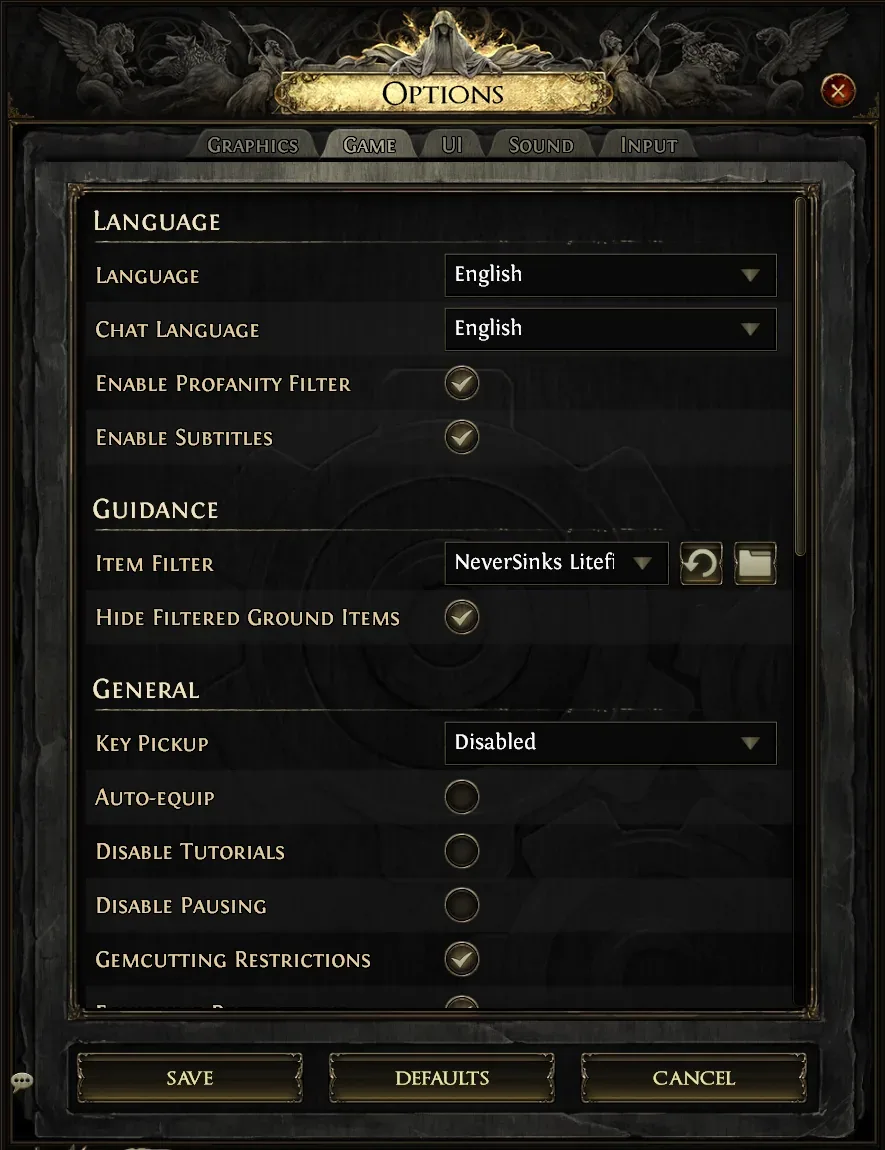
- Playing without a filter: at some point you can’t see anything for all the items. Load a ready-made filter by the endgame at the latest.
- Wasting orbs: orbs are also money. Don’t throw valuable orbs at mediocre items; trade them for gear instead.
Frequently asked questions
Is Path of Exile 2 free?
Yes, from the full release on December 11, 2026, the game is free. Cosmetics and convenience such as extra stash tabs cost money, and so far that includes the tab you need to list items for sale yourself.
Do I need to have played Path of Exile 1?
No. Path of Exile 2 is a standalone game with its own campaign. Knowledge from the first game helps but isn’t required.
Can I mess up my passive tree?
Yes, but not permanently. You can refund points for gold; it just gets more expensive as your level rises. The safest option at first is to follow a build.
Can I play Path of Exile 2 with a controller?
Yes. The game supports mouse and keyboard as well as controllers, on PC and console. According to the developers, you can switch between both at any time in the full release.
How long is the campaign?
Your first run takes an estimated 25 to 40 hours, likely more with Acts 5 and 6. Later runs go much faster because you know the routes and bosses.


Comments
Loading comments …
Join the discussion with a free account
Anyone with a RaidDex account can comment – one click with Discord, Steam or Battle.net is enough. Your progress is also backed up and the same on all your devices.
Already have an account? Sign in
One click with Discord, Steam or Battle.net is enough – no new password needed. Whatever you have already saved in this browser moves into your account when you sign in. Only you can see your profile.